In recent years, the southern region has experienced frequent high-temperature summers, placing immense pressure on the urban power grid and increasing the risk of power outages. Concurrently, the vast existing stock of residential buildings generally suffers from low energy efficiency, resulting in energy wastage and increased living costs for residents.
How to achieve the “Dual Carbon” goals through technical means during urban renewal and the renovation of old residential communities is a critical issue facing administrators today.
Technology: Reducing Building Energy Consumption at the Source
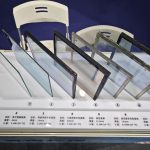
Windows are a critical breakthrough point for building energy efficiency. Through technological innovation, SuperVIG® vacuum glass optimizes the heat transfer coefficient to 0.45 W/㎡·K.
Compared to the 1.4 W/㎡·K of ordinary insulating glass, SuperVIG® significantly reduces heat transfer. Under a 20°C temperature difference, ordinary glass transmits 28W of heat per square meter per hour, while SuperVIG® transmits only 9W. This effectively reduces the building’s reliance on air conditioning.
Macro Data: Immense Social Benefits
Based on calculations using China’s total existing residential floor area of approximately 37 billion square meters, if SuperVIG® vacuum glass were installed across the southern region (approximately 20 billion square meters), the resulting social benefits would be staggering:
- Summer cooling energy consumption in the southern region could be reduced by approximately 68.4 billion kWh annually.
- Residents could save approximately 41.04 billion RMB in electricity expenses.
This would not only alleviate pressure on the power grid but also serve as a tangible public welfare project.
SuperVIG® vacuum glass features mature technology suitable for energy-saving renovations in old urban communities as well as new green building constructions. We are committed to assisting in green and low-carbon urban development and contributing to societal energy conservation and consumption reduction.