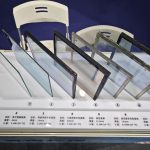
Tempered vacuum glass is an ideal choice for many high-end building projects. It combines the safety and strength of tempered glass with the excellent thermal insulation of vacuum glass.
However, not every vacuum insulated glass is tempered glass.
- High-Temperature Edge Sealing Methods Undermine Tempered Glass Quality
The safety net of tempered glass comes from a compressive stress layer at its surface. This layer forms during tempering. If the glass is heated above its stress-relief temperature, the stress is lost and the tempered glass reverts to ordinary glass.
High-temperature glass-frit solder requires sealing above 550°C, far higher than the stress-relief temperature of tempered glass.
This means high-temperature glass-frit sealing cannot be used to produce tempered vacuum glass.
- Low-Temperature Glass-Frit Edge Sealing May Also Carry Risks
Although low-temperature glass-frit solder seals at about 350–400°C, it can still affect the surface stress of tempered glass.
To help the glass still meet the tempered-glass standard after sealing, manufacturers often raise the initial surface stress to an extremely high level, such as above 140 MPa. They then precisely control the time spent in the stress-relief range so the final surface stress remains within the required range.
But this process is extremely difficult to control. In actual production, surface stress often falls between 64 MPa and 90 MPa. This range neither meets the tempered-glass standard (≥90 MPa) nor behaves like ordinary glass, creating a dangerous intermediate fracture state.
If this glass breaks, the fragments fall between the small granules of tempered glass and the sharp shards of ordinary glass, creating a high risk of injury.
- SuperVIG®: Low-Temperature Alloy Solder Sealing Preserves Tempered-Glass Quality
The SuperVIG® all-metal sealing process uses low-temperature alloy solder. The sealing temperature is far below the stress-relief temperature of tempered glass, preserving surface stress without compromising safety.
Silver-paste sealing also uses low-temperature alloy solder and offers the same protection for tempered-glass safety. However, after considering structural stability, corrosion resistance, environmental certification, and other factors, SuperVIG® chose the more complete all-metal sealing route, even though it already had silver-paste process capability.
Safety and service life are basic requirements for glass. SuperVIG® vacuum insulated glazing makes no compromises on either.